


How to Fix Frizzy Hair: A Routine With Vegan, Sulfate-Free Products
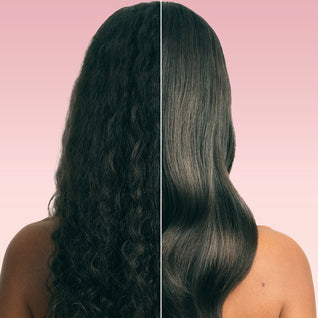
To fix frizzy hair, add moisture and remove friction. Use a moisturising shampoo and conditioner, seal the ends with a leave-in or an oil, protect the hair from heat and switch to smoother fabrics. This guide shows where Maria Nila's vegan True Soft and Structure Repair products fit into the routine.
What causes frizzy hair?
Frizzy hair often looks dry and a little rough. This occurs when the hair's outer protective layer lifts and absorbs moisture from the air, which makes the hair ruffle up. Dry or damaged hair frizzes more easily, so keeping the outer layer closed is the aim of any routine for frizz.
- Dry hair frizzes more easily than moisturised hair.
- Damaged hair frizzes more easily, for example after bleach or chemical treatments.
- Curly hair and thin, fine hair are the hair types that often struggle with frizz.
- Heat from the shower and from styling tools can damage the hair.
- Cotton pillowcases and towels, and frequent brushing, create friction.
Frizzy hair is usually dehydrated rather than structurally damaged. If bleach or chemical treatments have damaged the hair, Maria Nila's repairing products for damaged hair suit it better than a routine for dry hair alone.
How do you wash and condition frizzy hair?
Wash gently and always use a conditioner. Follow the steps below for Maria Nila's guide to dry, frizzy hair.
1. Wash no more than 3-4 times a week.
Washing too often draws out the hair's natural moisture, even with a moisturising shampoo. Maria Nila advises no more than 3-4 times a week, and less if you can manage it. Use dry shampoo between washes.
2. Choose a moisturising shampoo.
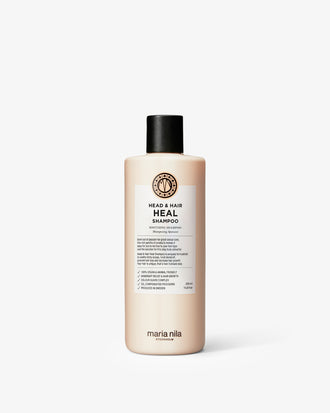
True Soft Shampoo is made for naturally dry hair. It softens and strengthens the hair, reduces frizz and static electricity, and contains smoothing argan oil.
3. Condition after every wash.
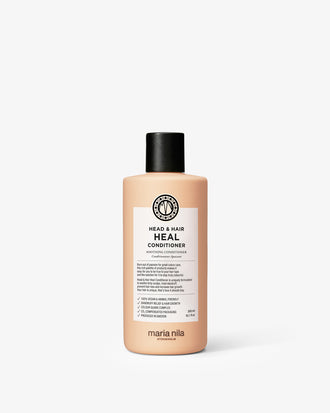
True Soft Conditioner detangles dry hair and reduces frizz and static electricity. Maria Nila also recommends a conditioner when you only wet your hair between washes, because wetting the hair alone can damage it.
4. Keep the water cool.
A shower that is too hot can open the outer layer of the hair and dry out hair and scalp. Maria Nila's advice is that cooler is better than hotter.
5. Add a mask for extra moisture.
A hair mask is especially useful for dry, frizzy hair. True Soft Masque is a moisturising treatment for naturally dry hair with softening argan oil.
Which Maria Nila products are made for frizzy hair?
The True Soft line is Maria Nila's moisturising line for dry and frizzy hair: shampoo, conditioner, mask and argan oil. The Fight the Frizz Set combines True Soft Shampoo, True Soft Booster Masque and Cream Heat Spray. All Maria Nila products in the set are free from sulfates and parabens and, like all Maria Nila products, they are 100% vegan and made in Sweden. You can see the whole selection on the frizzy hair collection.
Why use a leave-in conditioner or oil on frizzy hair?
A leave-in conditioner or oil stays in the hair and keeps frizz down between washes. A leave-in conditioner can diminish frizz, static and flyaway strands and make hair easier to detangle and style.
1. Apply a leave-in cream to damp hair.
Apply Structure Repair Leave In Cream to washed, damp hair and do not rinse it off. It contains algae extract, wheat protein and moringa oil, seals split ends and is made for damaged and dry hair.
2. Finish with a little argan oil.
True Soft Argan Oil softens and strengthens the hair, reduces frizz and protects against heat up to 230 °C. Maria Nila suggests using the oil as the last step of the routine and combining it with the Structure Repair leave-in cream for extra moisture.
How can you style frizzy hair with less heat damage?
Use heat protection every time and lower the temperature of your tools. Heat from straighteners, curling irons and hair dryers can be extremely high, and many tools reach higher temperatures than necessary. Styling takes a little longer at a lower temperature, but it is gentler on the hair.
- Apply heat protection all over the hair before using hot tools.
- Cream Heat Spray is a heat-protecting, cream-based spray that can be used on damp and dry hair.
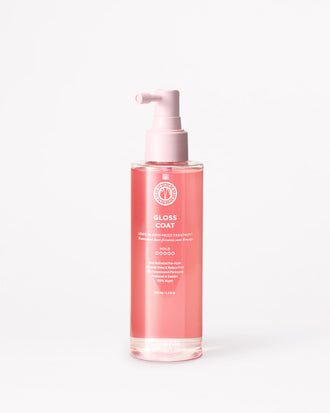
- Gloss Coat is a heat-activated smoothing treatment that adds shine, reduces frizz, controls humidity and protects against heat damage.
- Do not brush wet hair: wet hair is at its most delicate.
- Brush once a day at most, enough to remove tangles.
Read more about the Cream Heat Spray and Gloss Coat on their product pages.
Which everyday habits help against frizz?
Switch from cotton to satin. A cotton pillowcase absorbs moisture and pulls it out of the hair, and that friction between hair and cotton contributes to frizz. The same applies to towels: rubbing hair with a cotton towel contributes to frizz.
Related reading: How to fix and take care of damaged, How to get rid of greasy hair, How to get rid of dry frizzy hair?, and product philosophy page.
FAQs
How often should I wash frizzy hair?
No more than 3-4 times a week. Washing too often draws out the hair's natural moisture. Dry shampoo helps the hair stay fresh between washes.
Is frizzy hair the same as damaged hair?
Not necessarily. Frizzy hair is usually dehydrated and the structure of the hair is not damaged. Hair damaged by bleach or chemical treatments needs repairing products, for example from Maria Nila's Structure Repair line.
Which hair types often struggle with frizz?
Curly hair and thin, fine hair. Any hair that is dry or damaged frizzes more easily.
Should I use conditioner when I only wet my hair?
Yes. Maria Nila notes that even just wetting the hair can damage it, so use a conditioner if you soak your hair between washes.
Are Maria Nila products vegan?
Maria Nila products are 100% vegan.
Continue reading
View all articles


