


Towards a friendlier world for nature, wildlife and humanity.
Environmental Initiatives
The Maria Nila company monitors, analyses and reduces our emissions according to our products’ life cycle assessment of Scope 1, 2, and 3 through third party verifications via 2050. According to our reduction plan, Maria Nila invests in tree planting initiatives through Plan Vivo, where we support tree planting and forest restoration projects around the world since 2016. By the end of 2026, we have planted 2 310 000 m2 of forest in Nicaragua, Honduras and Uganda.
Read more below about our active projects in Nicaragua, Kenya, Honduras, and Florida.
Carbon credits overview - ZeroMission: Plan Vivo | Carbon credits overview - ClimeCo: Phlogiston Phase I
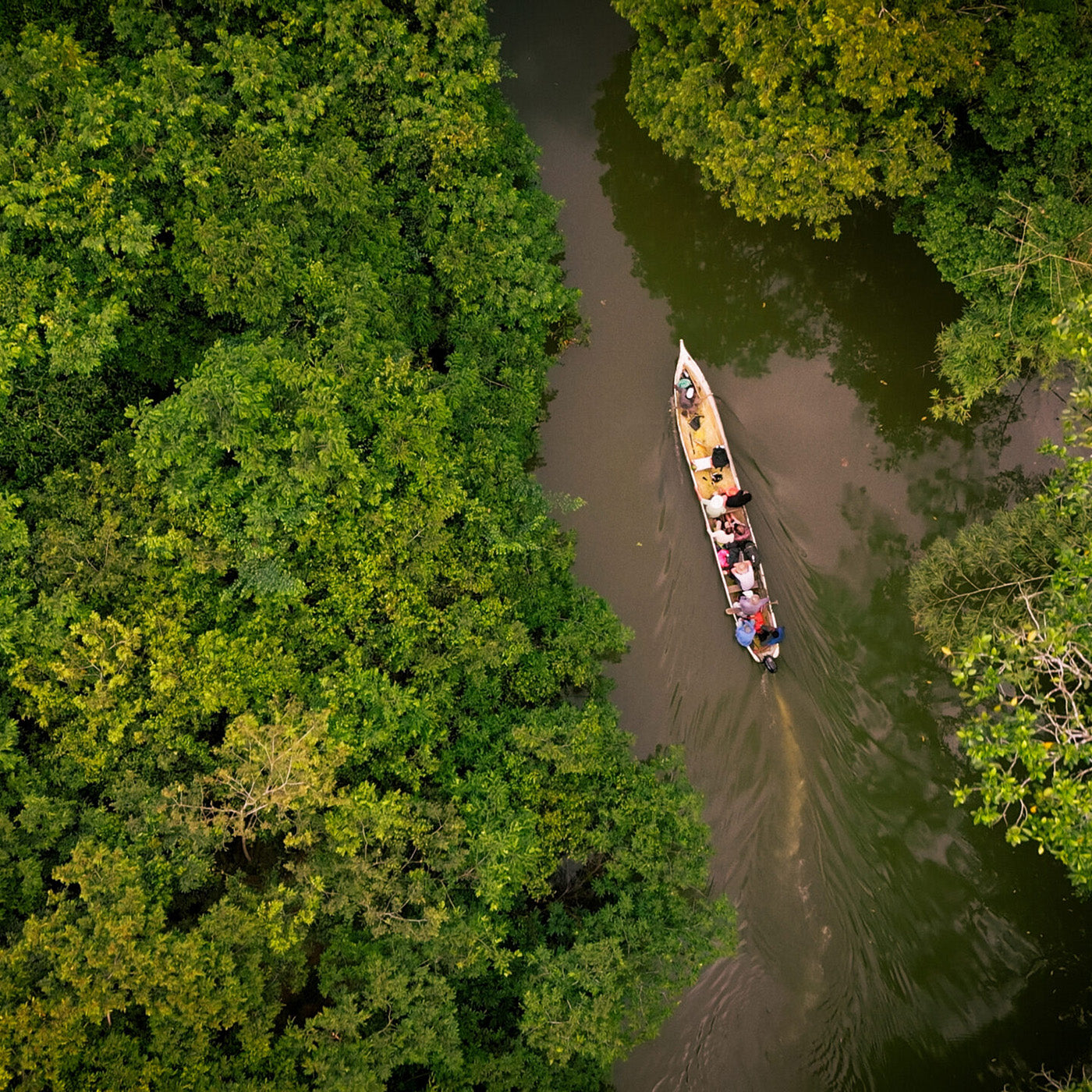
Paskaia, Honduras
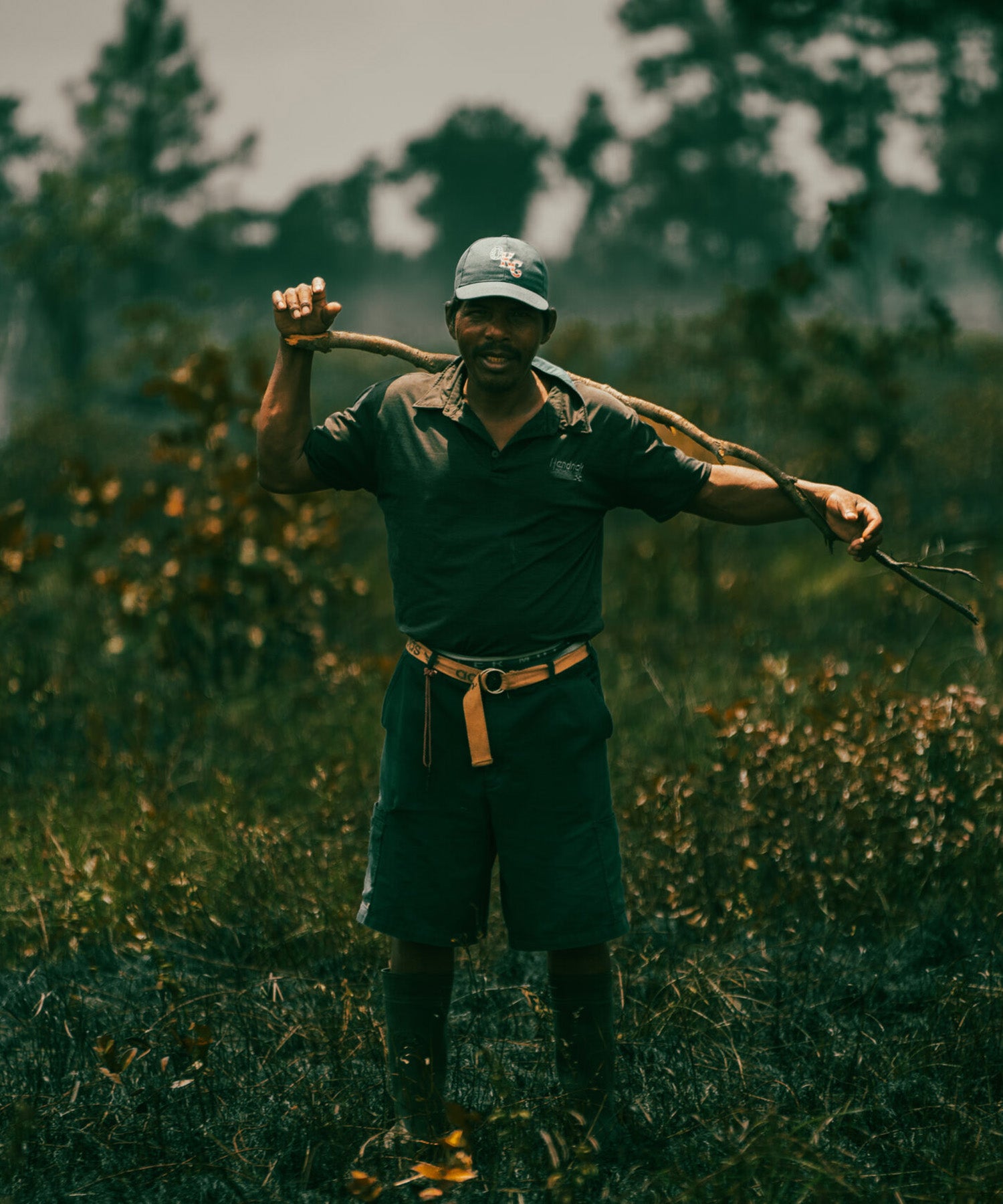
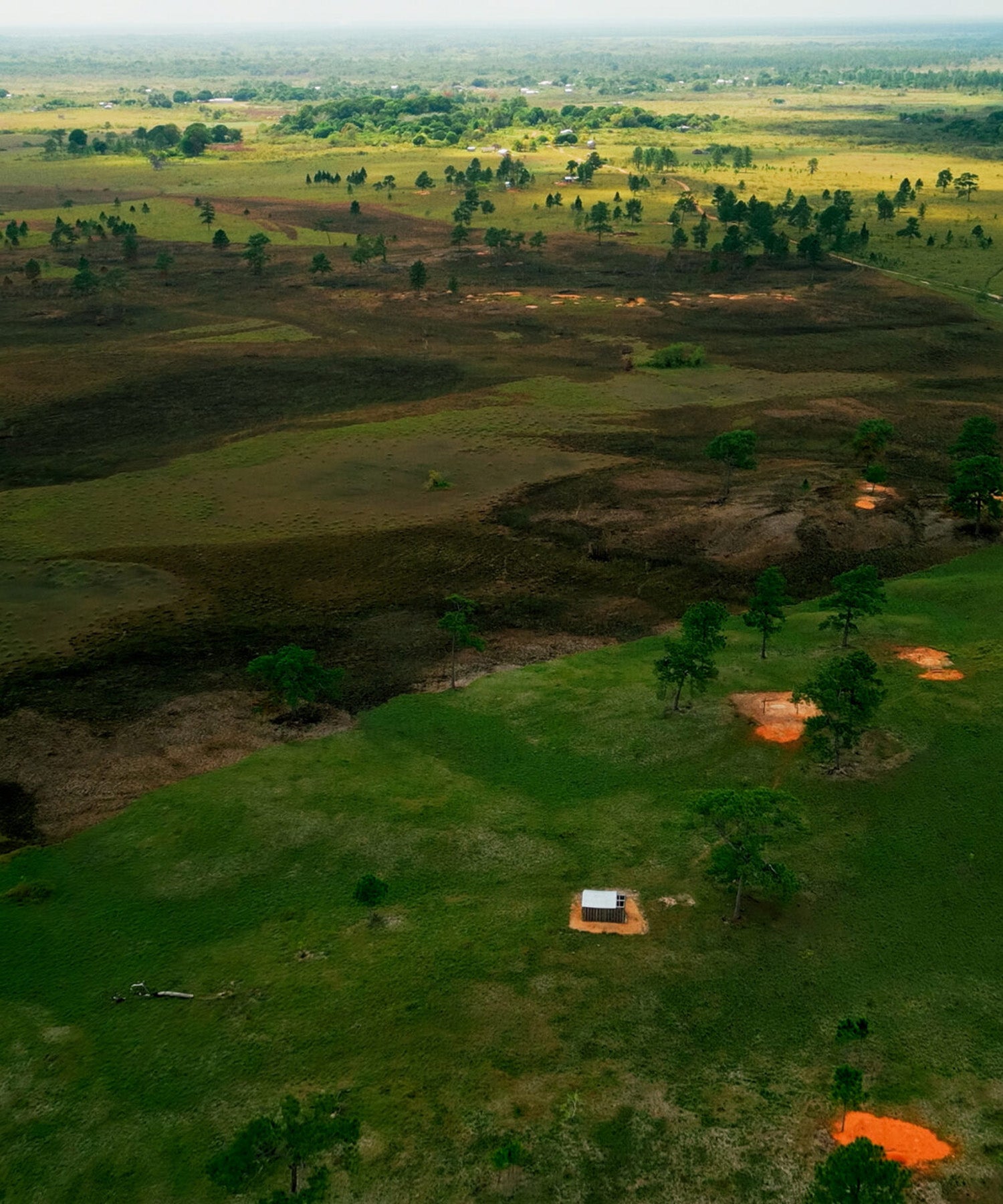
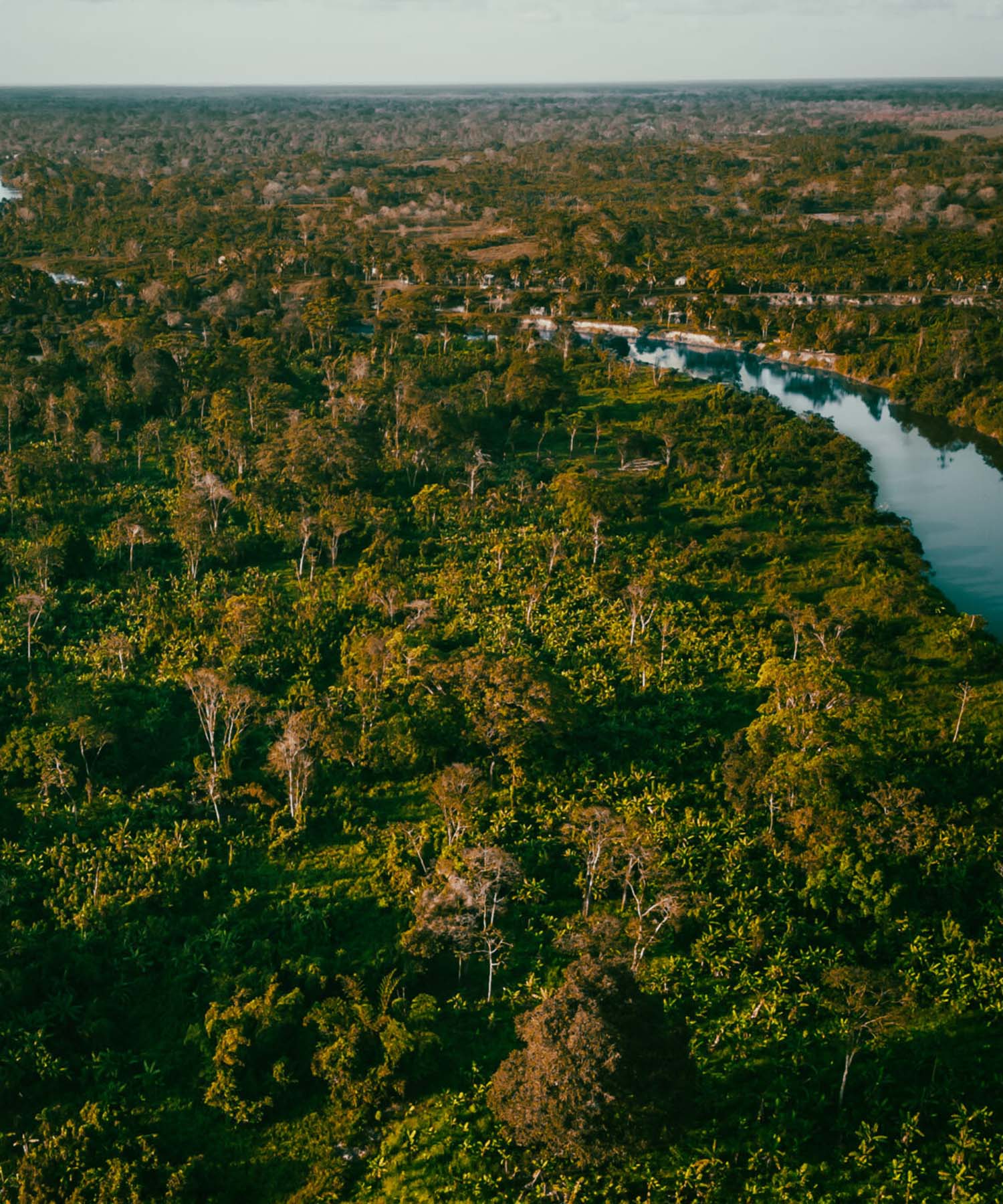
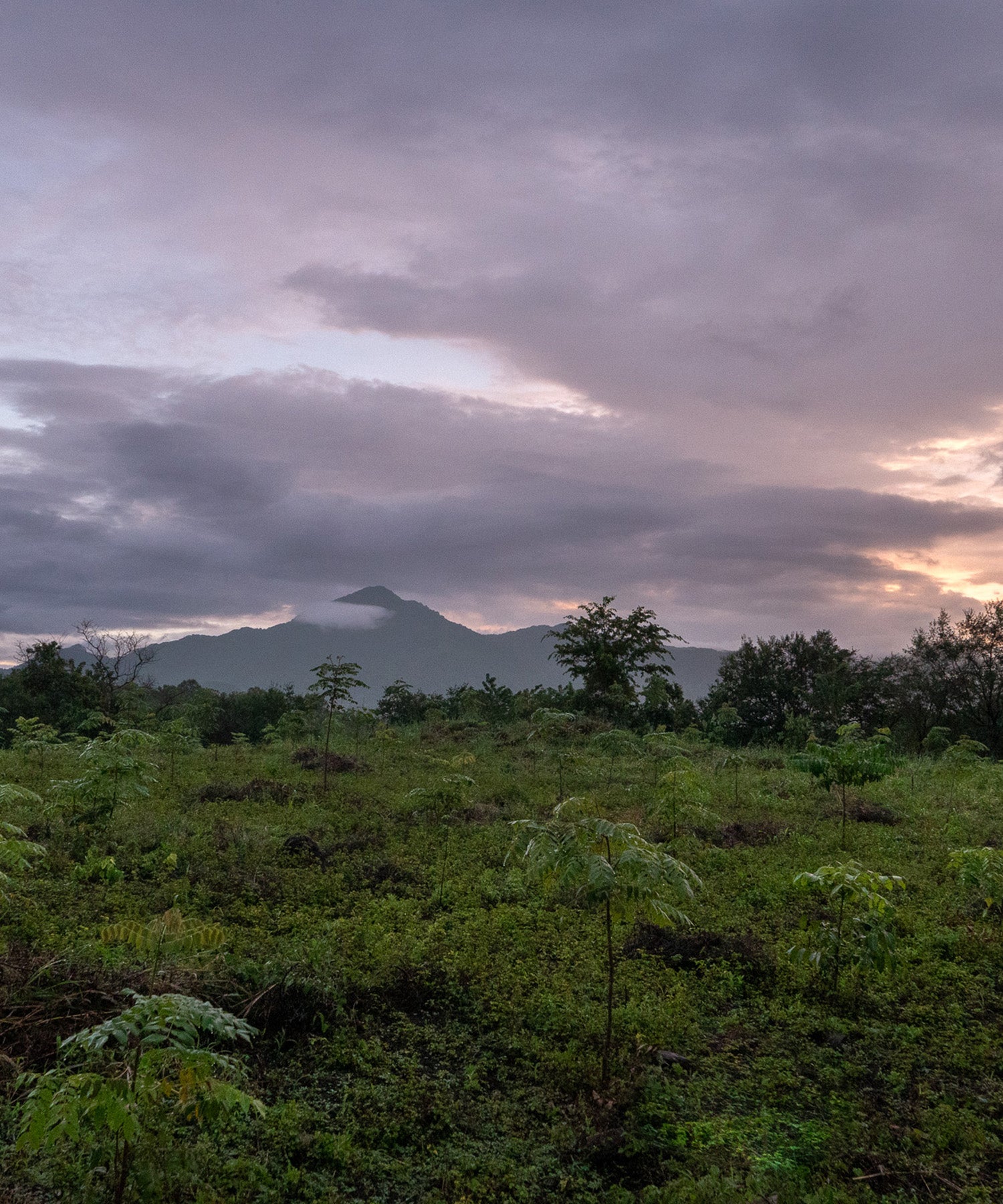
Paskaia means “to build for the future” in the Miskitu language. In the Mosquitia region of Honduras—home to the second-largest rainforest in the Americas—years of deforestation and wildfires have severely degraded the forest.
The Paskaia project works closely with local communities to restore native ecosystems through reforestation, fire prevention, and inclusive land stewardship. As the first initiative of its kind in Honduras, it empowers locals, especially women and youth, to lead sustainable change.
A look at the project in Honduras
Upper Tana, Kenya
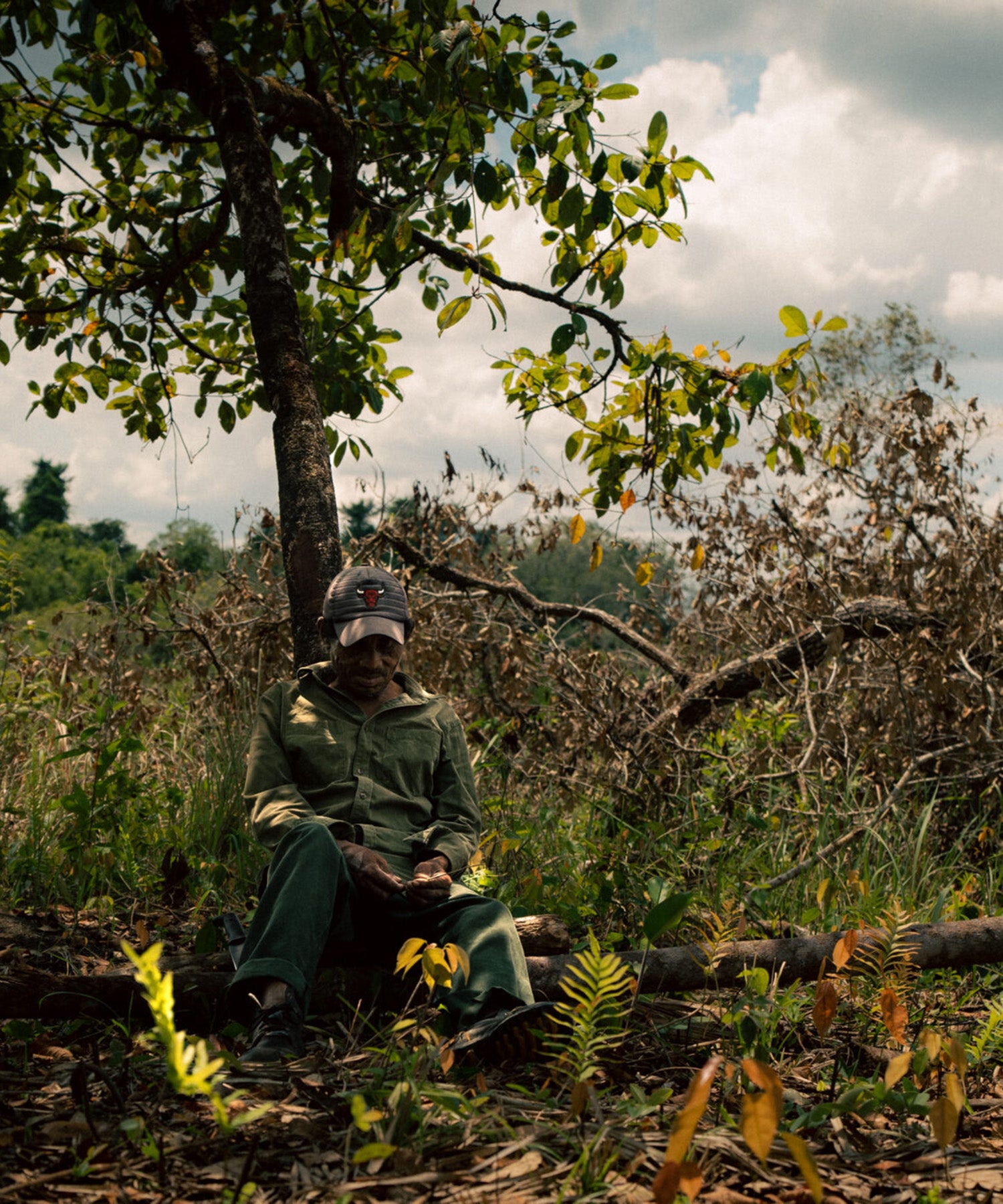
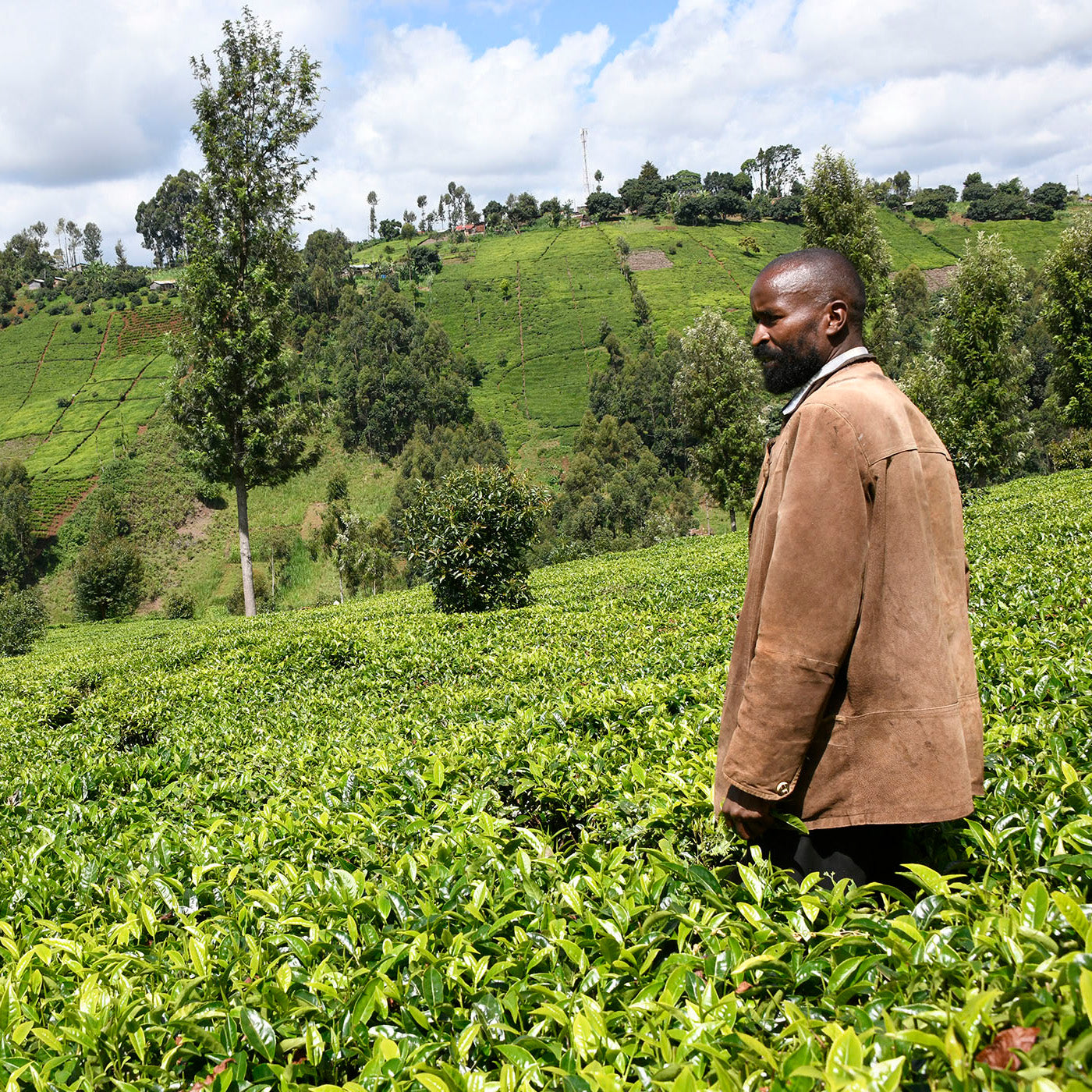
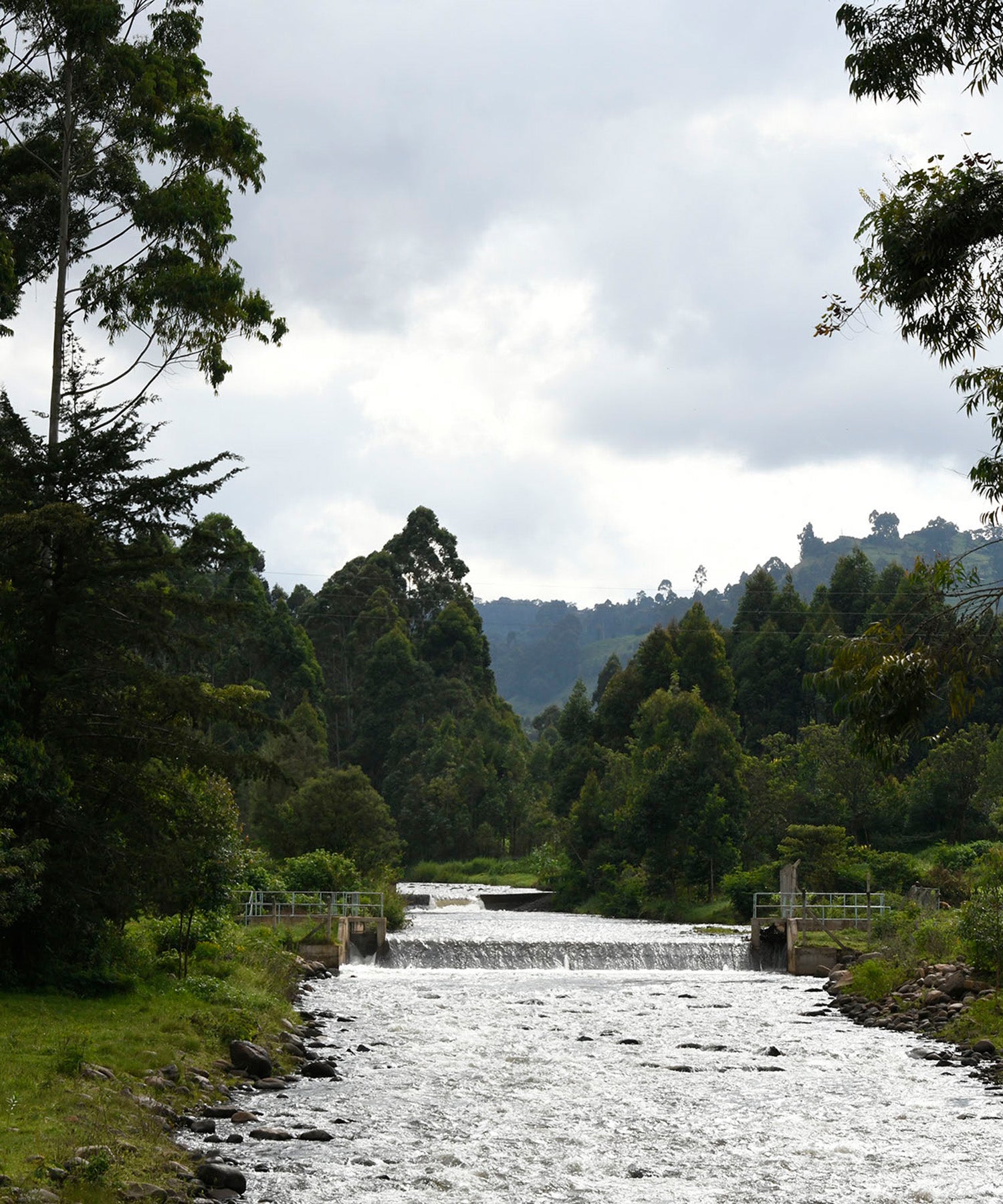
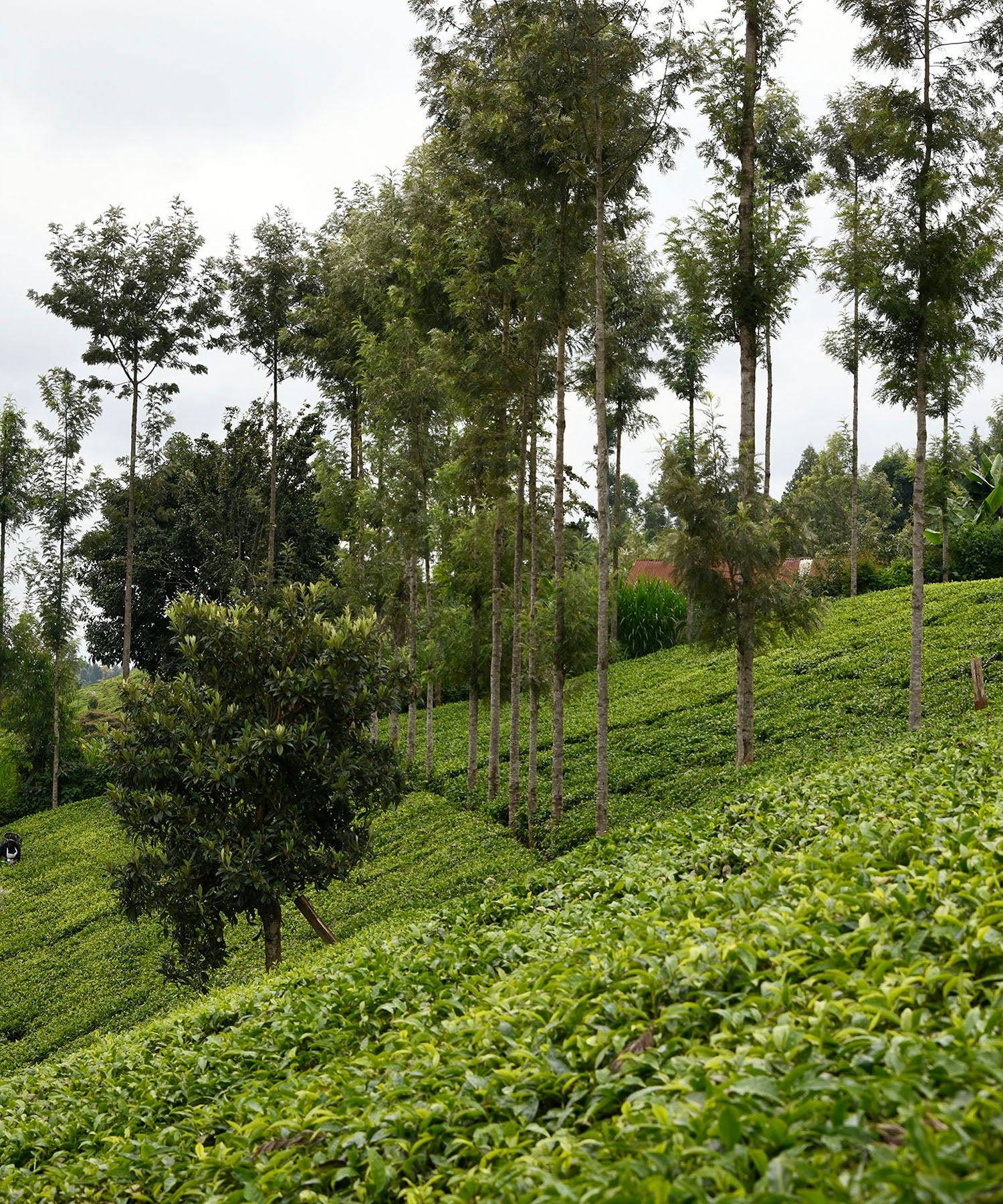
Upper Tana is a vital water source for local villages and Nairobi. However, deforestation has polluted the water, increasing the need for chemicals in the purification process. By planting trees, growing napier grass, and implementing erosion-reducing measures, sediment levels in the water are reduced—benefiting both the environment and public health.
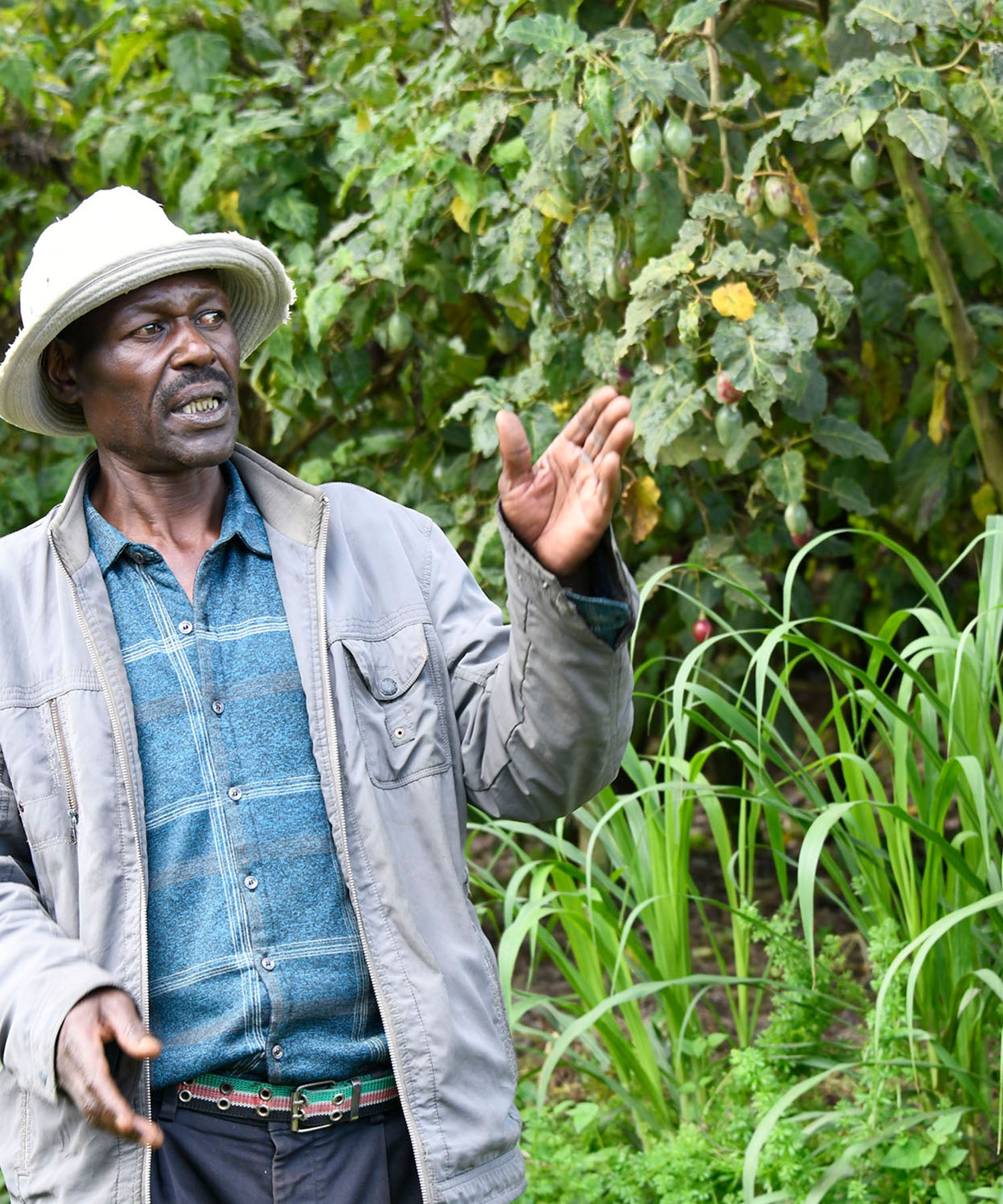
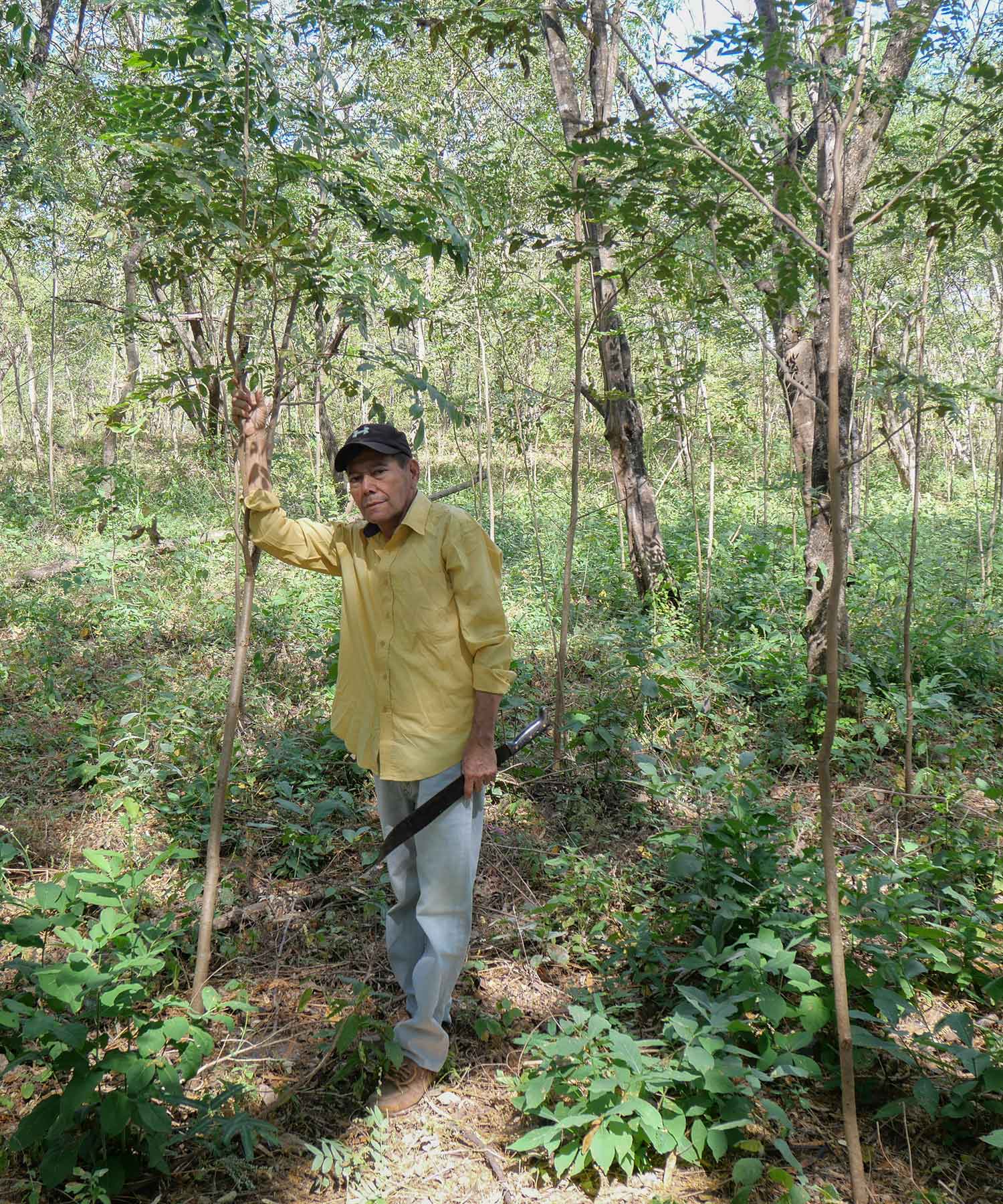
In the photo: Boniface Mbuthiaarm in Thika, Kenya. A participant in the project for four years, he has planted 200 avocado trees on his tea plantation. These new trees have improved the soil, boosted harvests, and brought birds and butterflies back to the area.
A look at the project in Kenya
CommuniTree
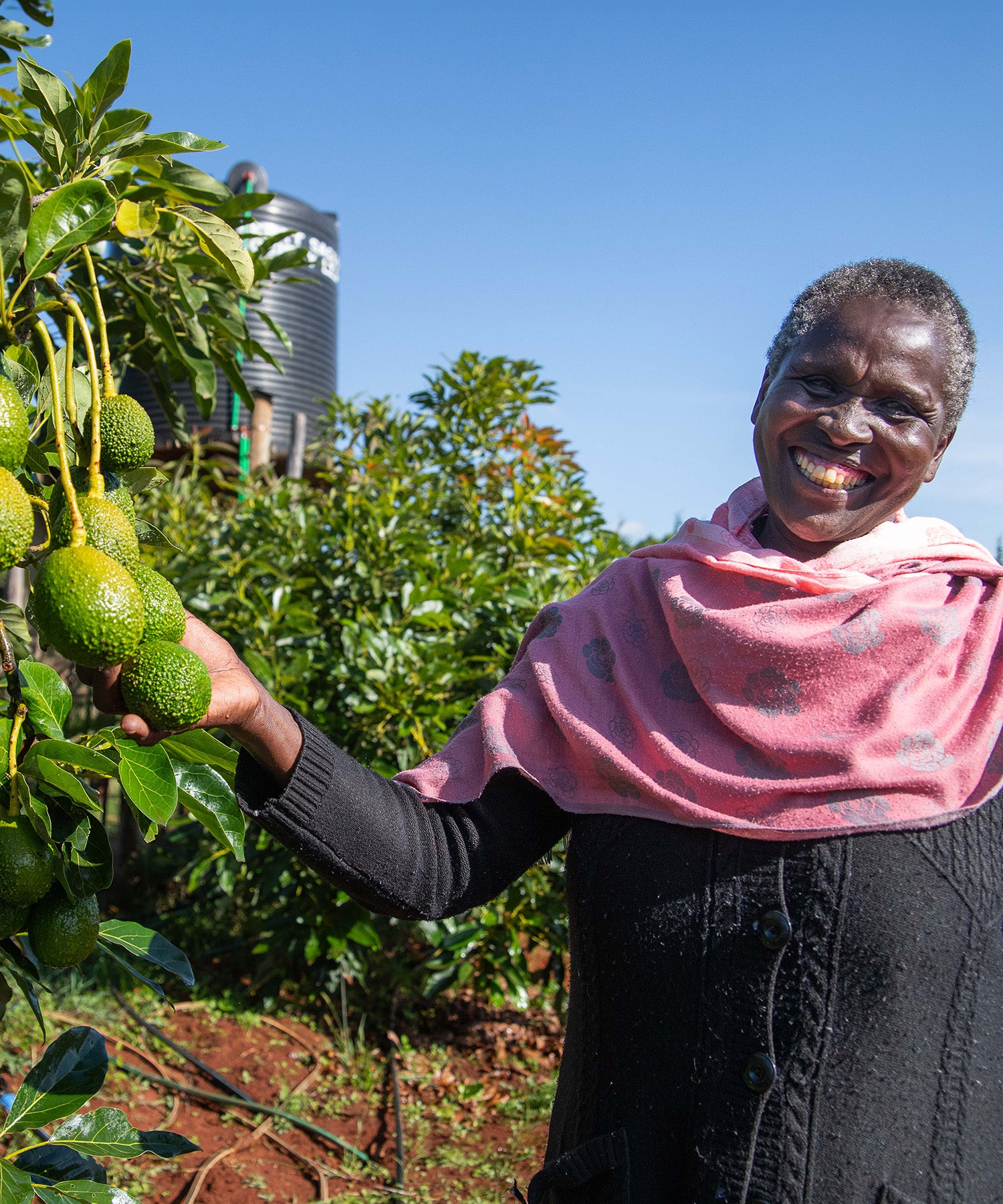
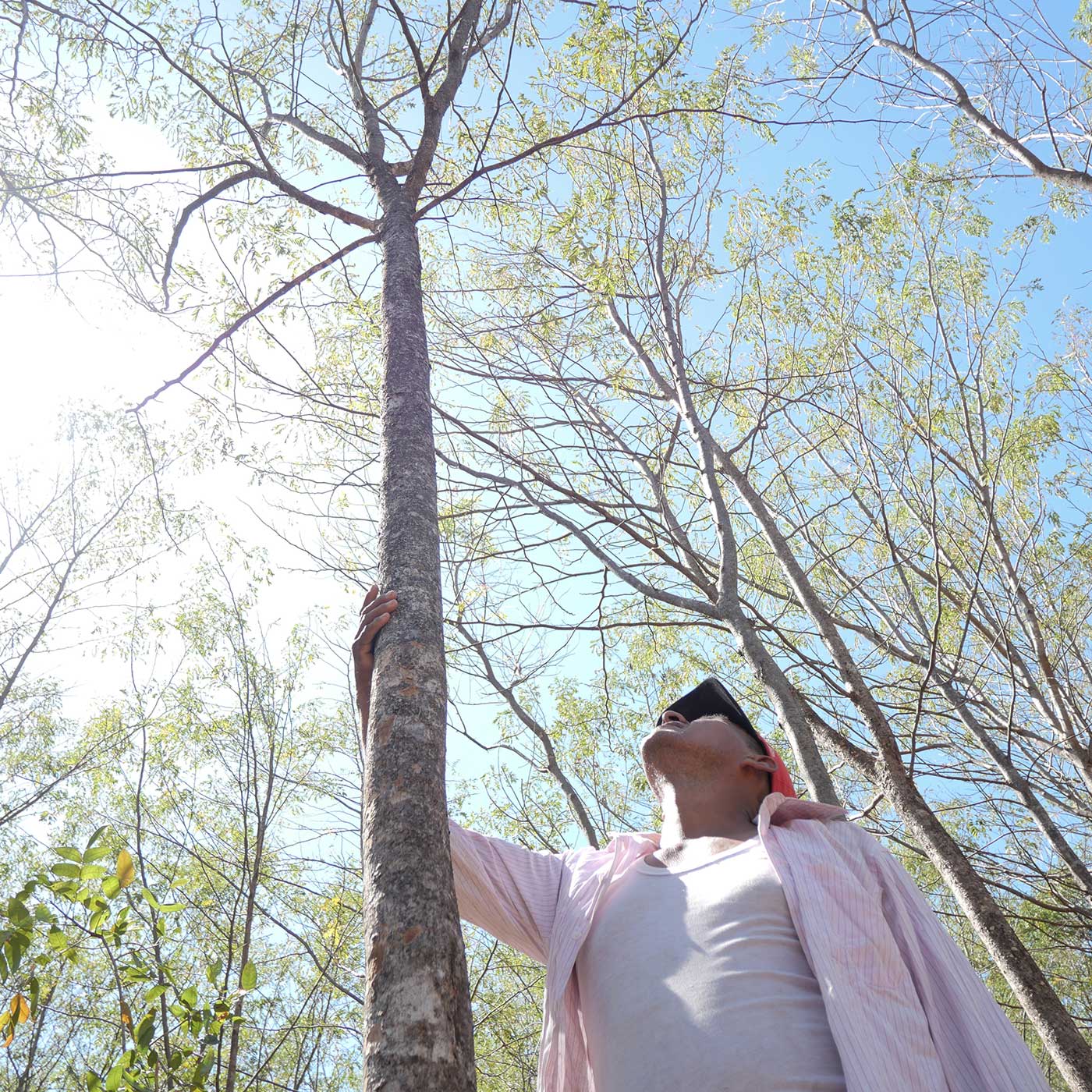
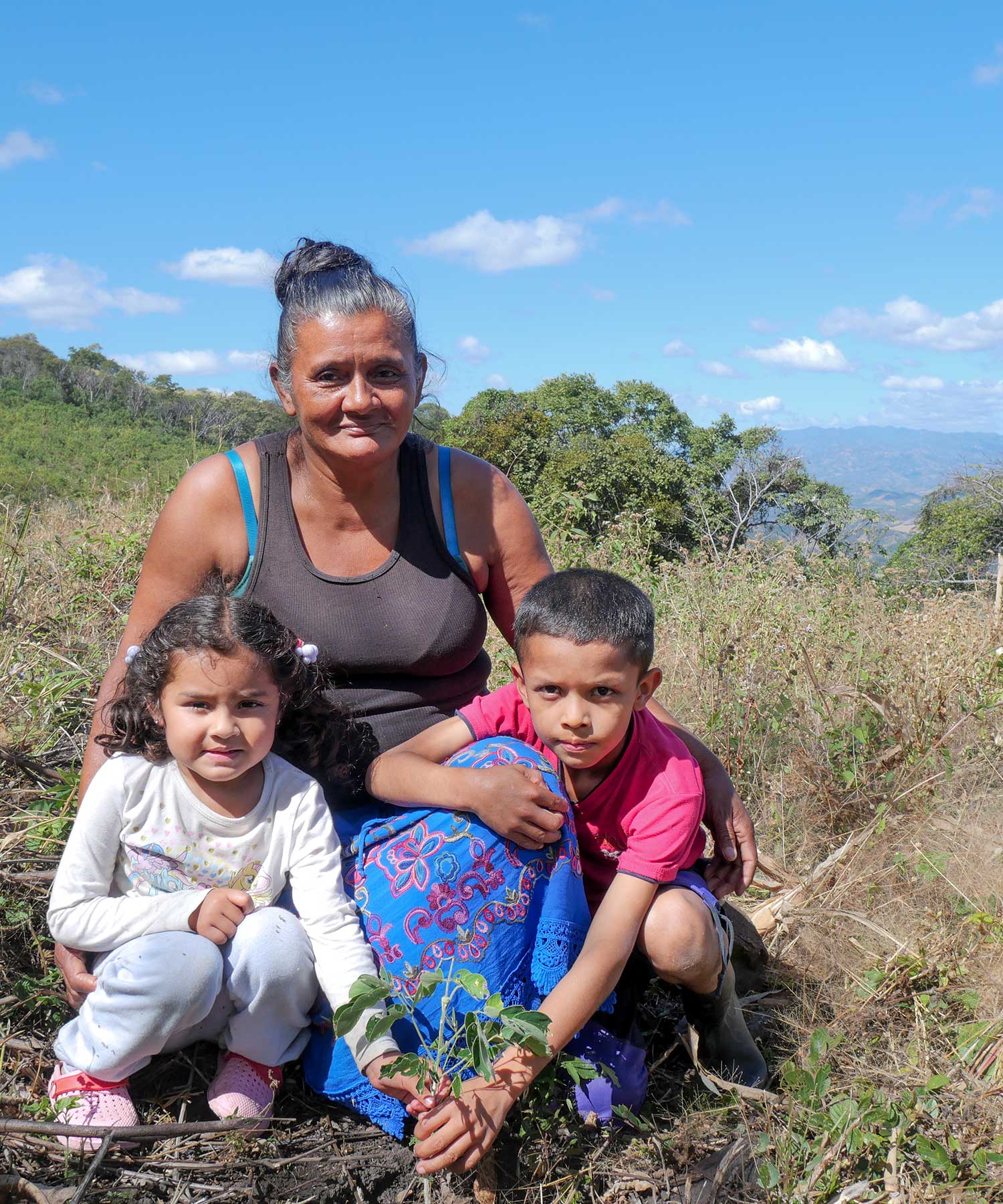
We support Plan Vivo’s project CommuniTree together with Taking Root. They collaborate with farmers in some of the poorest parts of the world for reforestation of forests. At the moment we are working with farmers in Uganda to replant under-utilized parts of their farms in exchange for direct payments, so they can work on a long-term basis and care for the forest.
This project impacts the local communities as well as the environment:
- Thousands of job opportunities created every year and in 2022, almost 1200 small farms joined the project
- In 2022, CommuniTree planted 6 million trees. Since the start, over 13 million trees have been planted
- Over 9,300 hectares of land has been reforested
- Taking Root and CommuniTree have launched a biochar initiative that aims to improve the health of the forests and soil
- This project has registered over 100 native tree species, helping to restore biodiversity and create critical habitats for wildlife and insects.
A look at the project in Nicaragua

Florida N₂O Abatement
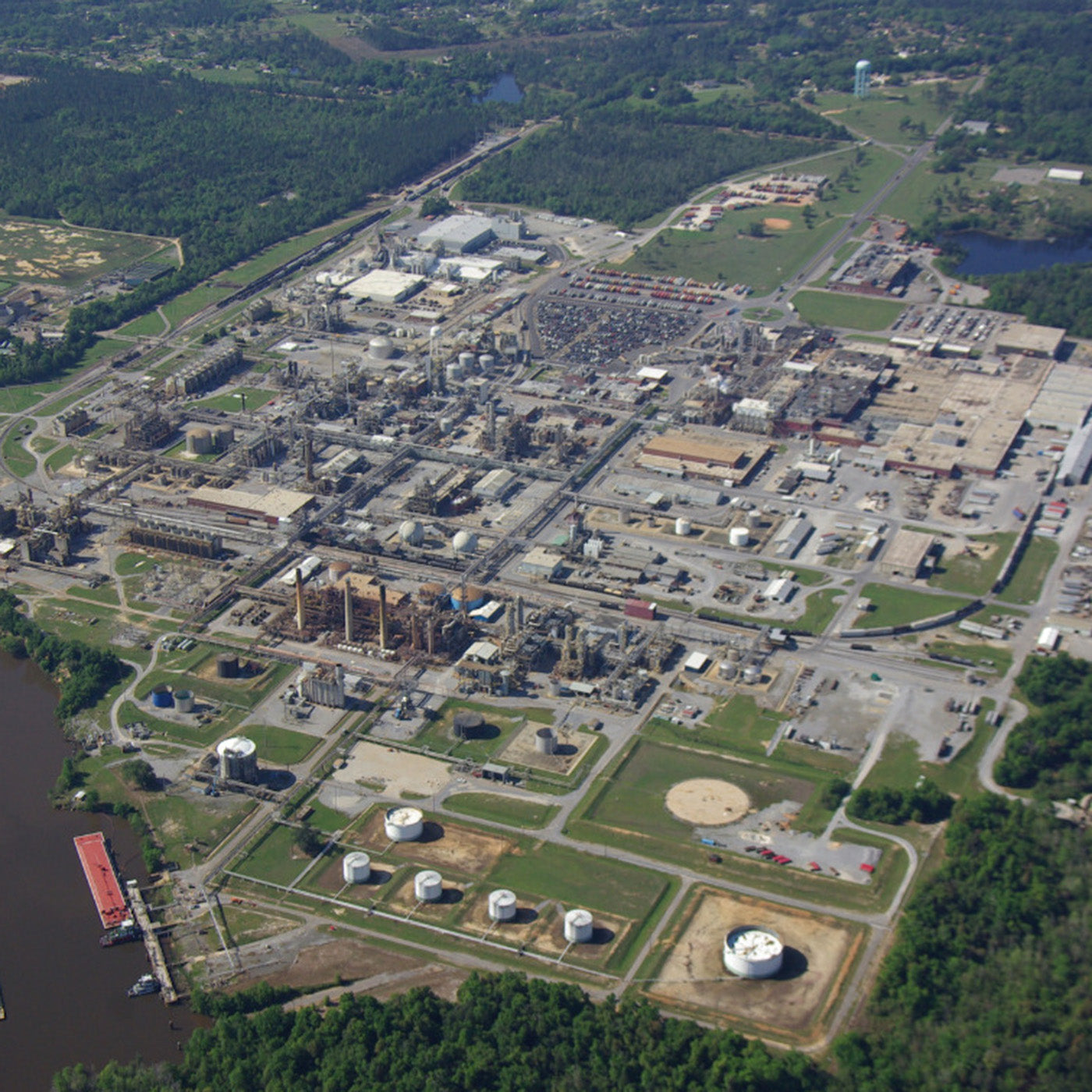
Nitrous oxide (N₂O) is a powerful greenhouse gas, roughly 273 times more potent than CO₂. Together with ClimeCo and Ascend Performance Materials, this project captures and destroys N₂O at the source at Ascend's facility in Pensacola, Florida, preventing the gas from ever reaching the atmosphere.
While our other carbon credit projects absorb CO₂ over time, this initiative complements them by stopping emissions before they happen – making the reductions permanent, with no risk of reversal.
A few facts about the project:
- It is the largest voluntary N₂O abatement project in North America.
- It has prevented millions of tonnes of greenhouse gases from entering the atmosphere.
- The N₂O is destroyed at the source, so the emission reductions are permanent with no risk of reversal.
- Results are verified through continuous, calibrated emission monitoring.